Behind the Budget: The Top 10 Most Expensive TV Shows Ever Made
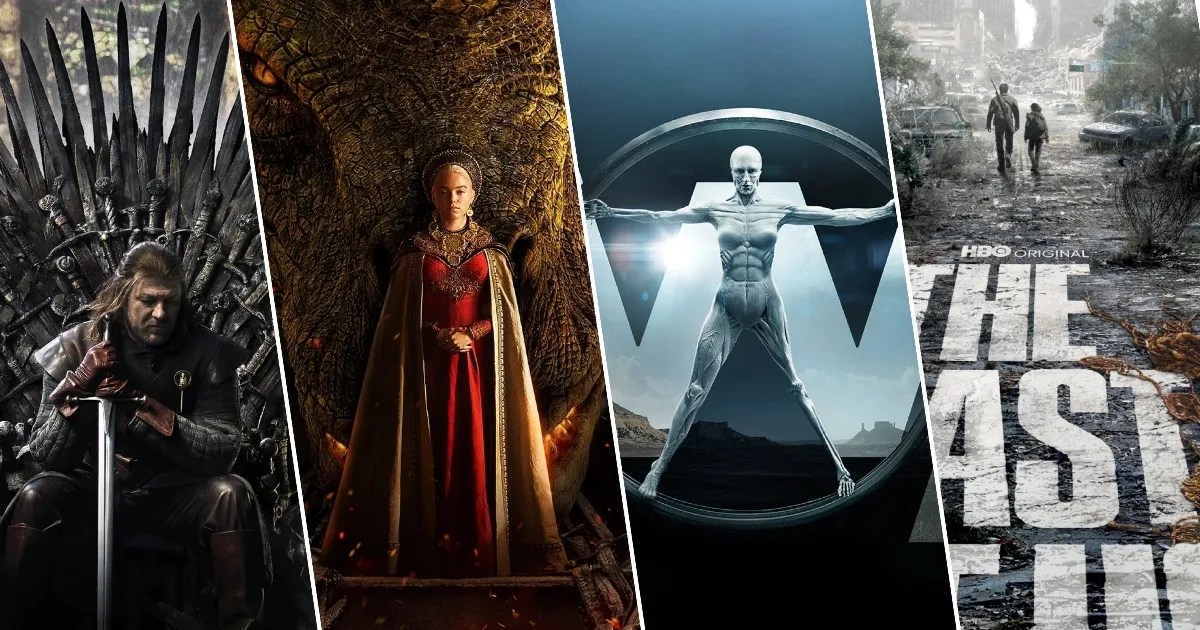
The numbers behind the top 10 most expensive TV shows tell a story of ambition, risk, and the relentless pursuit of prestige. These aren’t just shows—they’re financial statements, cultural landmarks, and sometimes, gambles that pay off in ratings or flop spectacularly. Take Game of Thrones, for instance: its final season’s budget ballooned to an estimated $15 million per episode, a figure that would make even Hollywood blockbusters blush. But why? Location scouting across Europe, CGI armies, and a cast demanding top-tier salaries aren’t just line items—they’re the price of entry for a franchise that became a global phenomenon.
The most costly television productions aren’t just about spectacle. They’re a symptom of an industry where streaming platforms and traditional networks are willing to burn cash to secure prestige, exclusivity, or algorithmic favor. Netflix’s The Witcher reportedly spent over $100 million on its first two seasons, while Apple’s Foundation dropped $200 million on a single season—figures that dwarf even the most lavish network dramas. The question isn’t just how these budgets are spent, but why studios are increasingly treating TV like a high-stakes film franchise.
Yet for every Stranger Things (which started modestly but grew into a multi-season juggernaut), there’s a Vinyl or The White Lotus that serves as a cautionary tale. The top 10 most expensive TV shows aren’t guaranteed hits; they’re high-wire acts where creative vision and financial muscle collide. The difference between a breakout and a bust often comes down to timing, talent, and whether the audience is ready to pay the price of admission.
What these productions share is a willingness to push boundaries—whether through visual innovation, star power, or sheer scale. But behind every epic battle scene or A-list cameo lies a complex web of negotiations, reshoots, and behind-the-scenes battles that rarely make it to the screen. The most financially ambitious TV projects aren’t just about money; they’re about control, creativity, and the gamble that art can outrun the ledger.

The Short Answers
- Game of Thrones holds the record for the most expensive single-season TV budget, with its finale costing an estimated $15 million per episode.
- Streaming platforms like Netflix and Apple TV+ now dominate the top 10 most expensive TV shows, outspending traditional networks.
- Production costs aren’t just about sets and effects—they include star salaries, marketing, and global distribution deals.
- Some of these shows (e.g., The White Lotus) were criticized for their budgets despite modest viewership.
- The most costly TV productions often require years of planning, with budgets finalized long before filming begins.

Deep Dive: The Full Picture
The top 10 most expensive TV shows of all time represent a collision of old Hollywood glamour and digital-age spending sprees. Where network TV once capped budgets at $2–3 million per episode, today’s blockbusters routinely exceed $10 million—sometimes per hour. This shift mirrors the rise of streaming, where platforms like Netflix and Amazon Prime treat TV as a long-form film, complete with cinematic budgets and global marketing campaigns. The result? Shows that look more like movies than traditional television, with House of the Dragon (a Game of Thrones spin-off) reportedly costing $20 million per episode for its first season.
What’s striking about these productions isn’t just the scale, but the diversity of what gets funded. From The Mandalorian’s practical effects to The Crown’s historical meticulousness, the most expensive TV shows reflect their creators’ obsessions. Yet not all high-budget gambles pay off. Vinyl, a critically acclaimed but niche HBO series, reportedly cost $10 million per episode—a figure that would’ve been unthinkable for a drama just a decade ago. The lesson? Money alone doesn’t guarantee success, but it does buy influence, talent, and the luxury of creative freedom.
The Context You Need
The top 10 most expensive TV shows didn’t emerge in a vacuum. They’re a product of three converging forces: the decline of the traditional TV season, the rise of global streaming, and the willingness of tech giants to treat content as a loss leader. When Netflix spent $80 million on Stranger Things’ second season, it wasn’t just investing in a show—it was signaling to Hollywood that TV was now a battleground for cultural dominance. Similarly, Apple’s $1 billion content push in 2019 wasn’t just about entertainment; it was a statement that tech could rival Disney in storytelling.
The numbers tell a story of escalation. In 2010, a high-end drama might budget $3–4 million per episode. By 2020, that figure had tripled for mid-tier shows, and the most expensive TV productions were flirting with film-level budgets. The reason? Streaming platforms don’t operate under the same financial constraints as networks. Without ads or strict per-episode profit margins, they can afford to take risks—even if it means canceling a show after one season if the data doesn’t justify renewal.
The Mechanics
Behind every entry in the top 10 most expensive TV shows lies a labyrinth of contracts, tax incentives, and creative compromises. Take The Witcher: Geralt of Rivia’s journey from book to screen required not just a $100 million budget for Season 1, but a global cast, multiple languages, and a visual style that blended fantasy with modern grit. The mechanics of such productions involve years of pre-production—location scouting in Iceland and Poland, CGI tests, and negotiations with studios to share costs. Even marketing becomes a budget line item, with trailers costing millions and global campaigns stretching across continents.
The most costly TV shows also reflect the power dynamics of modern Hollywood. A-list actors like Henry Cavill (The Witcher) or Pedro Pascal (The Last of Us) command salaries that dwarf traditional TV paychecks, often in the $10–20 million range per season. Then there’s the ancillary spending: reshoots for Game of Thrones’ infamous rushed finale, the $100 million spent on The White Lotus’ second season’s Hawaii shoot, or the $20 million per episode for House of the Dragon—each a testament to the industry’s willingness to double down on prestige.
Details That Change the Picture
Not all high-budget TV is created equal. While Game of Thrones and The Witcher dominate headlines, other top 10 most expensive TV shows reveal different priorities. The Crown’s $130 million per-season budget, for example, was spent on period accuracy, with the BBC and Netflix insisting on authentic costumes, sets, and historical consulting. Meanwhile, The Last of Us’ $60 million first-season budget was a fraction of its film adaptation’s $100 million, yet still required cutting-edge motion capture and a star-studded cast.
What these shows share is a risk-reward calculus that traditional TV never faced. A network drama might lose money and still get renewed; a streaming platform’s high-budget gamble can make or break its brand. Vinyl’s $10 million per-episode cost was a gamble that paid off critically but not commercially, while The White Lotus’ $100 million second season was a bet on prestige over mass appeal. The most expensive TV productions aren’t just about entertainment—they’re about sending a message to the industry and the audience alike.
"We’re not making TV anymore. We’re making event television—cinematic, serialized, and designed to be binged." — A Netflix executive, speaking anonymously to The Hollywood Reporter about the shift toward high-budget streaming content.
| Show | Reported Budget (Per Season) |
|---|---|
| Game of Thrones (Season 8) | $15 million per episode (total: ~$120M) |
| The Witcher (Season 1) | $100 million |
| House of the Dragon (Season 1) | $20 million per episode (total: ~$160M) |
| The Crown (Season 4) | $130 million |
| The Last of Us (Season 1) | $60 million |
Conclusion
The top 10 most expensive TV shows are more than just financial outliers—they’re a symptom of an industry in flux. Streaming has turned television into a high-stakes game where budgets reflect not just creativity, but strategy. Whether it’s Netflix’s willingness to spend $100 million on a single season of The Witcher or HBO’s $130 million bet on The Crown, the most costly TV productions signal a shift toward treating television as a premium product. Yet for every success, there’s a cautionary tale: Vinyl’s critical acclaim didn’t move the needle for HBO, and The White Lotus’ second season’s budget was a gamble on prestige over profit.
The future of these high-budget TV phenomena hinges on two questions: Can the industry sustain such spending without alienating audiences? And will the next generation of viewers care about the cost, as long as the story holds their attention? For now, the top 10 most expensive TV shows remain a testament to the era’s appetite for spectacle—but whether that spectacle translates to lasting impact remains to be seen.
Comprehensive FAQs
Q: Why do streaming services spend so much on TV?
Streaming platforms treat TV as a long-term investment in brand prestige and subscriber retention. Unlike networks, they don’t rely on ads, so they can afford to take creative risks—even if it means losing money initially. High budgets also help attract top talent, which in turn draws viewers.
Q: Are the most expensive TV shows always successful?
Not necessarily. While shows like Game of Thrones and Stranger Things became cultural touchstones, others like Vinyl and The White Lotus (despite critical praise) didn’t achieve mass appeal. Success often depends on timing, marketing, and whether the audience aligns with the show’s niche.
Q: How do production costs compare to film budgets?
Traditional TV budgets were once a fraction of film costs, but the top 10 most expensive TV shows now rival mid-budget movies. A single episode of House of the Dragon (~$20M) can match the budget of an indie film, while a season of The Witcher ($100M+) approaches a blockbuster’s total.
Q: Do actors get paid more for expensive TV shows?
Yes. Stars in high-budget TV often command salaries comparable to film actors. Pedro Pascal reportedly earned $10M per episode for The Last of Us, while Henry Cavill’s The Witcher deal was rumored to be in the $10M+ range per season—figures unheard of in traditional TV.
Q: Can a high budget guarantee good quality?
No. Budget alone doesn’t ensure quality—execution, writing, and audience connection matter more. The White Lotus’ second season’s $100M budget didn’t prevent mixed reviews, while Stranger Things proved a modest budget could yield a hit with the right creative team.
Q: Will TV budgets keep rising?
Likely, but with caveats. As competition intensifies, platforms will continue investing in prestige content. However, economic pressures (like layoffs at Netflix and Disney+) may force a reassessment of how much can be spent without ROI.
Artikel Terkait
-
 Why Miranda Kerr Declined a Victoria’s Secret Return
-
 North West’s Icy Blue Contacts and Bleached Brows
-
 Chicago Fire: Joe Cruz’s Emotional Final Goodbye Explained
-
 Jimmy Review: KJ Apa Cannot Save a Dutiful Biopic
-
 Jen Affleck Reportedly Files for Divorce From Zac Affleck
-
 Who Is Maury Povich the NFL Coach Who Defined a Legacy