Ocarina of Time Switch 2 Remake Scores 37/40 From Famitsu
Ocarina of Time Switch 2 Remake Gets 37/40 from Famitsu
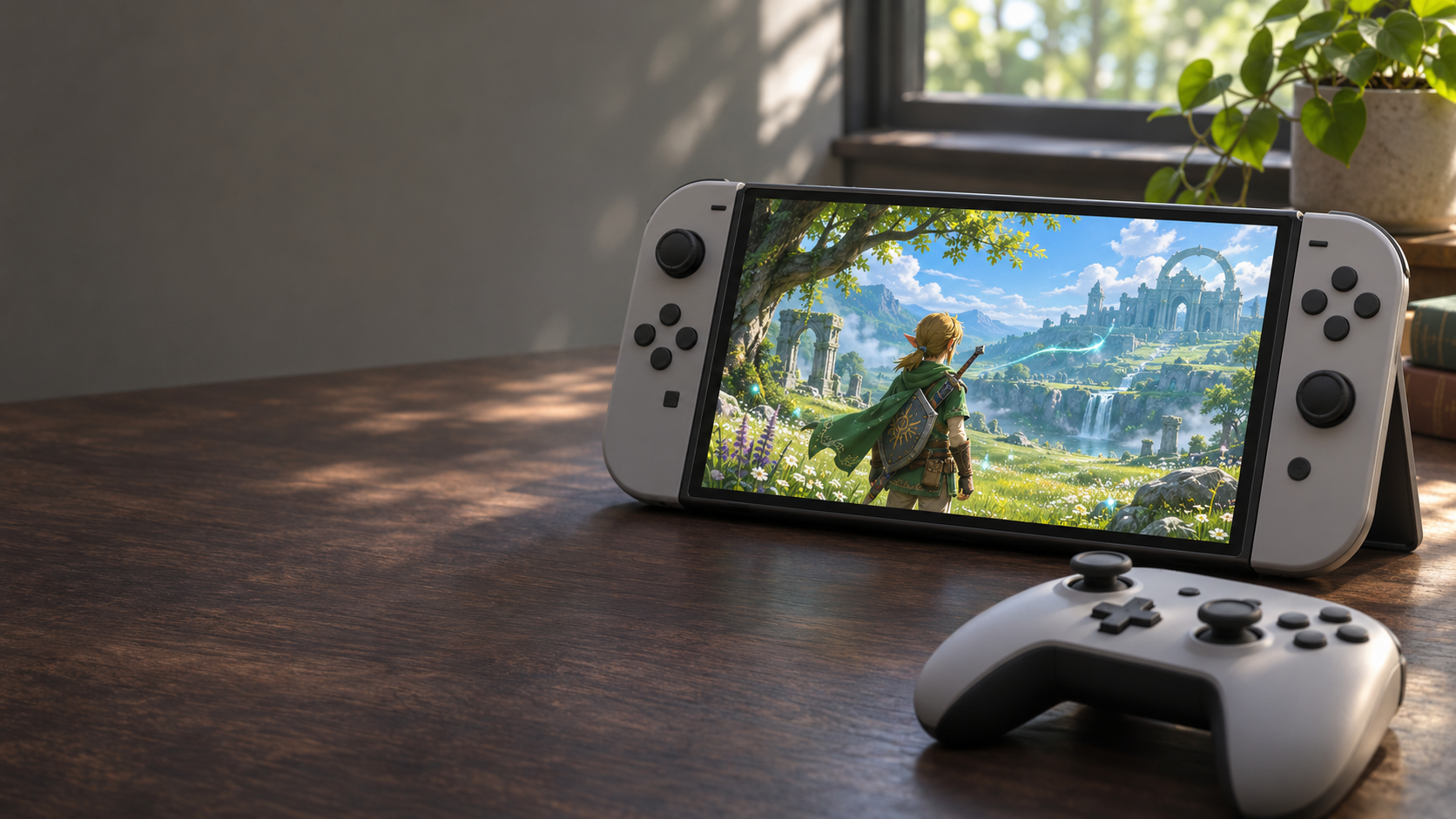
Famitsu reportedly awarded Nintendo’s The Legend of Zelda: Ocarina of Time remake for Nintendo Switch 2 a score of 37/40. The result is the remake’s first reported review score and offers an encouraging early signal for players waiting to see how the Nintendo 64 classic has been updated.
Famitsu uses a four-reviewer system, with each reviewer awarding a score out of 10. The available reports confirm the overall result but do not provide the individual scores, written comments, technical testing, or detailed criticism. The score therefore indicates broad approval without explaining which aspects of the remake earned praise or lost points.
One report says Famitsu published its review on November 4, 2026. That date should be verified against Famitsu’s original listing before publication or use in time-sensitive coverage. Source 1
What Score Did Famitsu Give the Remake?
The reported score is 37/40. That places the remake in strongly positive territory, although it falls short of a perfect result. The available reports do not reveal whether the four reviewers reached similar conclusions or produced the same total through differing opinions.
The result confirms that Famitsu viewed the remake favorably. It does not confirm specific praise for the visuals, controls, performance, atmosphere, level design, or new content. Those details require the full review or more comprehensive reporting. Source 3
How a 37/40 Breaks Down
Because the four scores combine into a total of 40, the remake’s result means exactly three points were withheld across the panel. Under Famitsu’s format, several splits produce 37. Hypothetically, one reviewer could have given a 7 while the other three awarded 10s, or two reviewers could have given 9s and two 10s. Each combination totals 37, but each describes a different panel: a single dissenting voice reads differently from a mild, shared reservation.
That distinction matters when the overall number is the only data point available. A unanimous near-perfect panel suggests broad agreement on quality. A panel split between enthusiasm and reservation suggests the remake provokes debate on at least one aspect. The supplied reports do not indicate which pattern applies, so neither interpretation should be treated as established.
Comparison with the Original
The supplied coverage reports that the original The Legend of Zelda: Ocarina of Time received a perfect Famitsu score. The remake’s 37/40 is therefore lower, but the comparison requires caution. Reviews from different generations assess different hardware, expectations, interfaces, and approaches to remake design. Source 9
The score supports one limited conclusion: based on Famitsu’s reported result, the remake has not matched the original’s historic perfect rating. It does not show that the remake is unsuccessful or explain why the final three points were withheld.
A remake also faces a standard the original never did. The 1998 release was judged as a new game defining what a 3D adventure could be; the Switch 2 version is judged partly on how well it preserves that achievement and partly on whether its interfaces and pacing suit current expectations. Those are separate questions, and a single total score cannot separate them.
What Remains Unknown
The available reports do not confirm the remake’s:
- Resolution or frame-rate targets.
- Visual upgrades, lighting, textures, or character models.
- Loading times or performance stability.
- Camera, combat, menu, or item-management changes.
- Button remapping, motion controls, touch support, or accessibility options.
- New quests, regions, dungeons, collectibles, or story content.
- Price, release details, or differences between handheld and docked modes.
These omissions make the score difficult to interpret in detail. A 37/40 could reflect excellent modernization, careful preservation, or a combination of both. It could also describe a largely faithful remake that benefits from the original’s durable design.
The gap is also practical. Buyers weighing a purchase usually want to know whether the frame rate holds during busy scenes, whether the Water Temple-style dungeons have had their menu friction reduced, and whether the portability mode matches the docked experience. None of those answers appear in the current reporting, so the score should be read as a headline rather than a verdict on any of them.
How the Remake May Be Judged
The remake must balance modernization with preservation. The original is known for its time-travel structure, exploration across Hyrule, dungeon progression, puzzle-solving, item-based advancement, and the contrast between child and adult Link. The ocarina’s songs also connect exploration, story progression, puzzles, and world movement.
Modern players may expect faster menus, smoother traversal, improved camera behavior, clearer interfaces, reduced backtracking, and stronger accessibility options. These changes can reduce friction without altering the game’s identity, but excessive automation or major control changes could affect the original’s pacing and atmosphere.
Famitsu’s score indicates that the overall package was successful. It does not explain how the reviewers evaluated that balance.
A worked example shows the tension. Boot swapping between items and the ocarina is a core loop of the original, and shortening it changes how dungeons feel to play. Keeping it intact preserves the puzzle rhythm but may feel dated. Either choice is defensible; the right answer depends on how much friction the reviewer considers part of the design rather than an obstacle to it. A three-point deduction could plausibly sit on either side of that argument.
Other Early Coverage
The initial reporting summarized in the supplied material comes from Video Games Chronicle and related coverage. The reports agree on the central fact: Famitsu awarded the Switch 2 remake 37/40. They do not reproduce the full review, identify the individual scores, or detail the publication’s main praise and criticism. Source 1
Nintendo Life reportedly published early review coverage of Ocarina of Time for Switch 2, but the supplied excerpt does not include its score or conclusions. It is therefore too early to determine whether Nintendo Life reached the same verdict as Famitsu. Source 5
What the Score Means for Players
The 37/40 result supports cautious optimism. Longtime fans have an encouraging reason to watch the remake, while new players may see it as a promising modern entry point into one of Nintendo’s most influential adventures.
The score is not enough to make a complete buying decision. Price, confirmed technical upgrades, performance, content changes, and broader reviews remain important. It is also too early to call the remake the definitive version.
Early Verdict
The reported facts are straightforward:
- Famitsu reviewed the Nintendo Switch 2 remake of The Legend of Zelda: Ocarina of Time.
- The reported score is 37/40.
- The result indicates a strong early reception.
- The score is below the original game’s reported perfect Famitsu rating.
The score alone cannot establish the remake’s technical quality, amount of new content, control changes, or success in modernizing the original. The full Famitsu review, detailed gameplay coverage, performance testing, and additional reviews should explain what led to the final three-point deduction.
FAQ
What score did Famitsu give the Ocarina of Time Switch 2 remake?
Famitsu reportedly awarded the remake 37/40.
When did Famitsu publish the review?
One report gives November 4, 2026 as the publication date. Verify against Famitsu’s original listing before relying on it.
Is 37/40 a good score?
Yes. It indicates a strong critical reception and places the remake near Famitsu’s highest rating range, although it is not a perfect score.
How does the score compare with the original?
The supplied coverage reports that the original Ocarina of Time received a perfect Famitsu score. The remake’s 37/40 is lower, although scores from different generations are not directly equivalent.
What did Famitsu praise or criticize?
The available reports confirm the overall score but do not include Famitsu’s written comments or individual reviewer breakdown. Specific praise or criticism should not be attributed to the magazine until the full review is available.
Does the remake include new content?
The supplied reports do not confirm new quests, areas, dungeons, story changes, collectibles, or other additions.
Should players buy the remake based on the score?
The score is an encouraging early signal, but players should also consider the price, technical upgrades, performance, new content, and broader reviews.